Why Professional Kitchen Plumbing Matters During Remodeling
Why Kitchen Plumbing Matters in Remodeling Projects
Many older homes contain aging plumbing systems that may no longer meet modern performance standards. Galvanized steel pipes, deteriorating drain lines, inadequate water pressure, and outdated shutoff valves can all become major issues during a kitchen renovation.
Remodeling provides an ideal opportunity to inspect and upgrade plumbing infrastructure before new cabinetry, flooring, and finishes are installed. Addressing plumbing concerns early helps prevent future leaks, water damage, and costly repairs.
Updated kitchen plumbing systems improve:
- Water flow and pressure
- Drainage efficiency
- Appliance performance
- Leak prevention
- Water conservation
- Long-term reliability
Common Kitchen Plumbing Upgrades
Sink and Faucet Installation
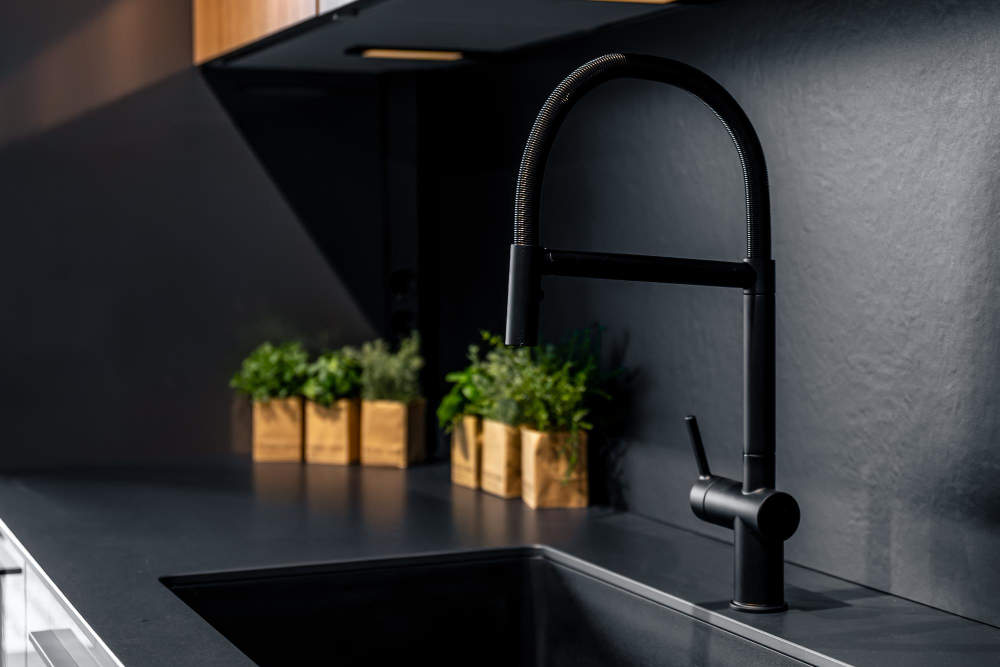
The kitchen sink is one of the most heavily used fixtures in any home. During remodeling projects, homeowners often upgrade to larger single-basin sinks, farmhouse sinks, or workstation sink systems that improve convenience and functionality.
Modern faucets now include advanced features such as:
- Pull-down spray heads
- Touchless operation
- Water filtration integration
- Adjustable spray settings
- High-arc spouts for larger cookware
Professional installation ensures proper sealing, secure mounting, and leak-free operation while maintaining compatibility with the home’s water supply system.
Dishwasher Plumbing Connections
Dishwashers require properly installed supply lines, drainage systems, and air gap connections to function efficiently. During remodeling, plumbing professionals evaluate whether existing lines can support newer high-efficiency appliances.
Incorrect dishwasher installation can lead to drainage backups, leaks, or water contamination issues. Proper installation protects the appliance while ensuring compliance with local plumbing codes.
Refrigerator Water Line Installation
Many modern refrigerators include ice makers and water dispensers that require dedicated supply lines. A professional kitchen pipe installation plan ensures the refrigerator receives consistent water flow without affecting other fixtures.
Properly installed water lines reduce the risk of hidden leaks behind cabinetry or appliances, which can otherwise cause significant moisture damage over time.
Benefits of Updating Kitchen Pipes
Older pipes can become corroded, clogged, or vulnerable to leaks. Remodeling projects offer an opportunity to replace outdated plumbing materials with modern systems designed for durability and improved performance.
Common modern plumbing materials include:
- PEX piping
- Copper supply lines
- PVC drain systems
- Flexible braided connectors
- Updated shutoff valves
These materials improve water flow, reduce corrosion risks, and offer greater long-term reliability compared to aging galvanized steel systems commonly found in older homes.
Kitchen Layout Changes and Plumbing Considerations
Many remodeling projects involve relocating sinks, islands, dishwashers, or appliances to create a more efficient kitchen layout. These changes often require extensive plumbing modifications behind walls or beneath flooring systems.
Plumbing professionals carefully evaluate:
- Drainage slope requirements
- Ventilation systems
- Pipe routing
- Water pressure balance
- Fixture spacing
- Code compliance
Proper planning ensures the redesigned kitchen functions efficiently without compromising structural systems or future accessibility.
Water Efficiency and Sustainability
Modern kitchen remodeling increasingly focuses on water conservation and environmental efficiency. Upgraded plumbing fixtures help homeowners reduce water usage while maintaining strong performance.
Water-efficient kitchen upgrades may include:
- Low-flow faucets
- High-efficiency dishwashers
- Leak-detection systems
- Smart water shutoff technology
- Filtered drinking water systems
These features help reduce utility bills while supporting sustainable home improvement practices.
Preventing Water Damage During Remodeling
Water damage is one of the most costly problems homeowners can face after a remodel. Improper plumbing installation, loose fittings, or hidden leaks can lead to cabinet damage, flooring deterioration, mold growth, and structural problems.
Professional installers use pressure testing, secure connections, waterproof sealing techniques, and proper drainage configurations to minimize these risks. Quality workmanship during the remodeling process protects both the new finishes and the overall structure of the home.
The Role of Ventilation and Drainage
Plumbing systems rely not only on water supply lines but also on proper drainage and ventilation systems. Vent pipes help maintain proper air pressure within the drainage system, preventing slow drains, odors, and gurgling pipes.
During kitchen renovations, professionals inspect venting systems to ensure proper operation and compliance with modern building standards. Drainage systems are also evaluated to ensure they can handle increased appliance capacity and modern water flow demands.
Why Professional Installation Matters
Kitchen plumbing involves far more than simply connecting pipes. Remodeling professionals must understand building codes, fixture requirements, water pressure calculations, drainage systems, and appliance integration.
Licensed plumbing professionals help homeowners avoid:
- Hidden leaks
- Improper drainage
- Pipe corrosion issues
- Water pressure problems
- Code violations
- Premature plumbing failures
Professional installation also ensures plumbing work is properly coordinated with cabinetry, electrical systems, countertops, flooring, and appliance placement throughout the remodel.
Long-Term Advantages of Modern Kitchen Plumbing
A professionally upgraded plumbing system improves both functionality and peace of mind for homeowners. Reliable water flow, efficient drainage, modern fixtures, and durable piping systems contribute to a safer and more convenient kitchen environment.
Modern plumbing improvements also increase property value by demonstrating that critical infrastructure systems have been updated to current standards. Buyers often appreciate homes with recently renovated kitchens that include modern plumbing systems designed for long-term reliability.
Whether the goal is improving functionality, supporting a new layout, or preventing future maintenance issues, investing in professional kitchen plumbing services is a critical part of any successful kitchen remodeling project.

